: IS IT A SIN TO LISTEN TO SOME KINDS OF MUSIC?
The answer to this question necessarily involves a discussion of what beauty, and what music is beautiful. For we all know that that which is good and true, and which has real being and meaning to it has beauty. The function of music is to give delight to the soul, to enable it to relax, and to lift it up to higher considerations. For this it must be beautiful.
St. Thomas Aquinas defines beauty by the three conditions necessary for something to be beautiful (Ia, 39,8). The first condition is that it has integrity or perfection, namely that it is not lacking something essential which would make it ugly. The melody, harmony and rhythm must consequently be correct and complete and the lyrics must be meaningful and honest and moral. The second condition for beauty is due proportion, or harmony amongst the different elements of the music. Harsh dissonances take away from the beauty. The third quality of beauty is that it has clarity, or shines forth with a certain brightness, such as flowers that have a beautiful colour. This does not exclude minor keys or sadness, which if adequately expressed has a brightness of its own.
How we must consider what kinds of music meet up with these requirements. Traditional folk music from all kinds of cultures generally meets up with all these conditions, and is attractive on account of its natural beauty, which is how it became popular. However, the lyrics have to be also examined. If they are immoral or dishonest, then the music is bad and listening to it is a cooperation in something evil that must be avoided. Classical music also generally meets up with all the conditions necessary for beauty, However, the angry passion of a Beethoven certainly takes away from the otherwise great beauty of his compositions, and the late 19th and 20th century composers, who reject the rules of harmony and use dissonance for effect undermine the beauty that their creativity could otherwise have expressed.
The invention of Jazz music in the 1920s began the rebellion against the due proportion required for beauty. It started with a syncopated rhythm, and ended up with despising harmony. Ugliness ensued. From it grew rock music, in which harsh rhythms, violence, dissonance and ugliness prevail, but mixed in with some attractive melodies. However, since these modern musics are never complete they are always ugly, notably rap music. The lyrics express immorality and rebellion and consequently, the ugliness is profoundly obvious. Listening to such music is consequently a cooperation in evil, which leads ultimately to rebellion. Although it does not in itself exceed venial sin, it is certainly that a Catholic must avoid.
We all have need of beauty, and consequently of music. To have a habit of listening to good recordings of fine music cultivates and elevates the mind above purely material things, and is greatly to be encouraged. However, we must remember that our tastes have frequently been damaged by the rebellious music we hear all around and that as a consequence we sometimes find it difficult to taste the beauty of really good music. This being said, it would nevertheless be an error to think that we must listen to music all the time. This can be an escape from reality. We all need some time of silence to reflect and pray, and the alternation of silence and good music makes for a healthy balance. It must also be remembered that volume is not important. Good music does not have to be loud, nor should we impose our music on others by playing it very loud. Proportion is a part of beauty, and the correct volume so that the beauty can be tasted and appreciated, and not more, is required.
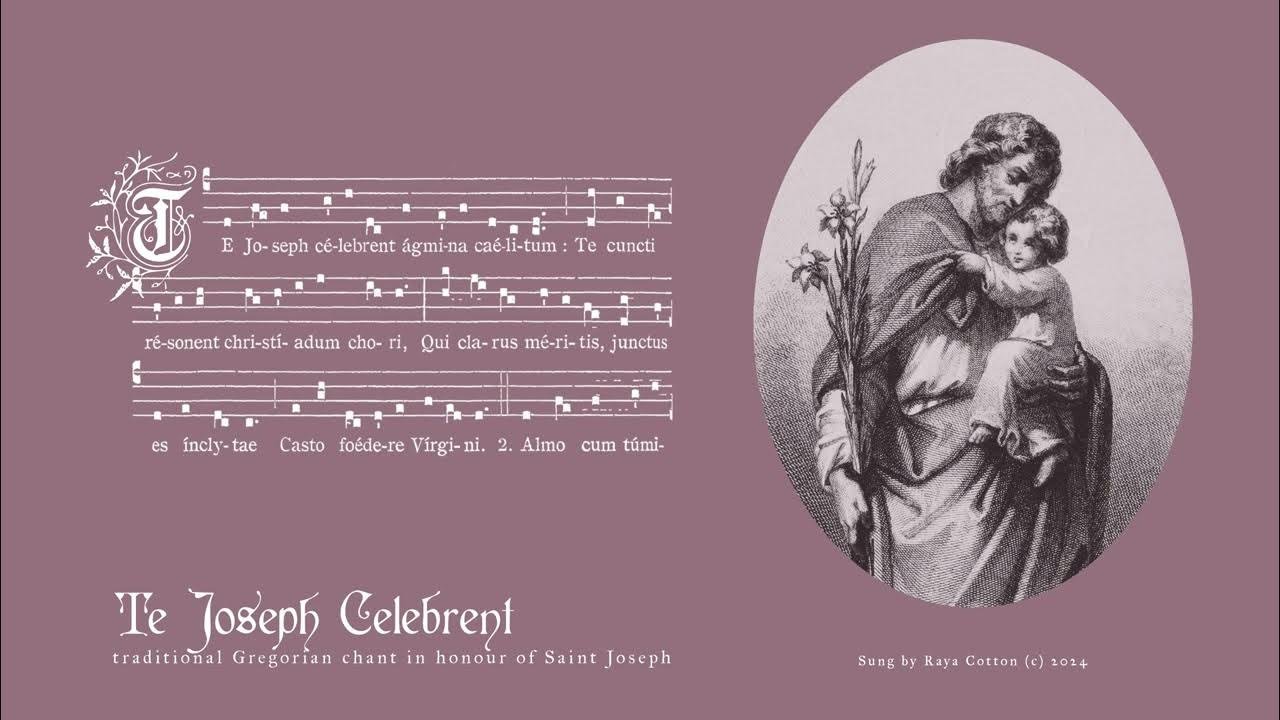
The Catholic must have a taste for sacred music, which is the highest form of music, and that which has the greatest and most glorious beauty to it, for it is directed ordered to the greater glory of God and the sanctification of our souls. Allow me to quote from St. Pius X (Tra Le Sollecitudine, 1903) the three qualities of sacred music, so that you can judge for yourselves what is truly sacred: it ust be holy, excluding anything secular, profane, showy or outrageous. Secondly, it must be universal, so as to be appreciated by people of all cultures. Thirdly it has to be a true form of art, truly beautiful, lifting up the hearers to the things of eternity. As St. Pius X teaches, Gregorian Chant possesses all three qualities to the highest degree, which is why it is the most perfect form of sacred music, so that other forms of sacred music are all the more sacred as they are closer to Gregorian Chant. Classical Polyphony is the example he gives. Our traditional hymns follow behind.
A Catholic should delight in appreciating the beauty of the Church’s Gregorian Chant and of all good sacred music, and love to listen to recordings and assisting at High Masses well sung, so that little by little he develops a feel and understanding for true beauty in music. This does not, however, mean that there is no place for good secular music, as described above. They each have their place, but the greater beauty of sacred music and its ability to elevate the soul give it a real priority in our listening habits.
--FATHER PETER RONALD SCOTT
SHARE
COMMENTS (0)